
Selling a House with Storm Damage Denver Colorado
Selling a house with storm damage in Denver, Colorado, can feel like a tricky puzzle. Should you repair the damage or sell it as-is? This guide is here to help Denver homeowners like you understand how storm damage affects property value, what legal rules you need to follow, and strategies to sell quickly and smoothly. Let’s break it down and make this process a little less overwhelming!
Key Takeaways
- Storm Damage Hits Property Value Hard: In Denver, storm damage can lower your home’s value by 15% to over 50%, depending on how bad the damage is.
- To Repair or Not to Repair?Fixing the damage might boost your sale price, but selling as-is could mean lower offers and fewer interested buyers.
- Be Honest About the Damage: Legally, you’ve got to disclose any storm damage to potential buyers. Proper documentation keeps you out of trouble and helps the sale go more smoothly.

Understanding the Impact of Storm Damage on Property Value
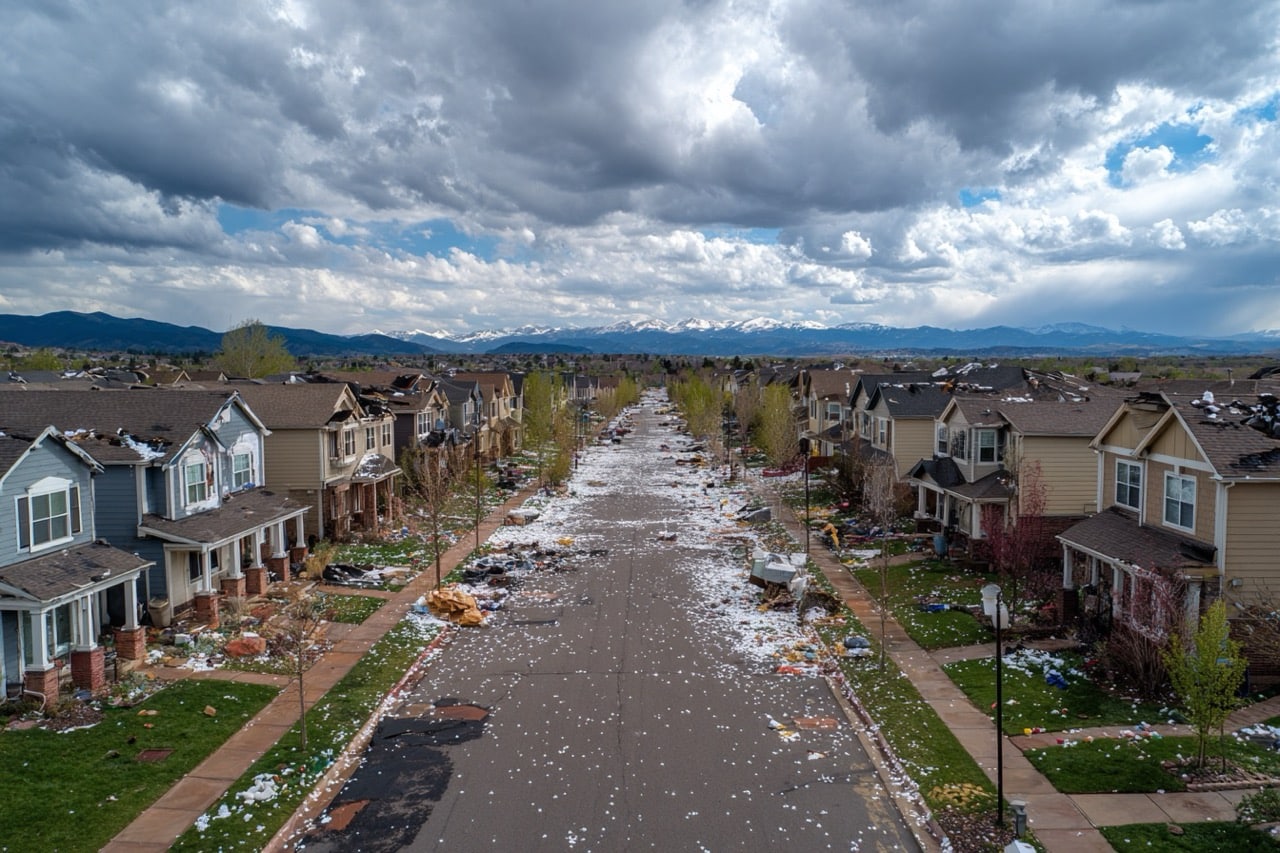
Storm damage and other natural disasters can significantly influence property value in Denver, affecting both market demand and investment potential. The extent of the damage plays a critical role in determining how much the property value depreciates. For instance, hail damage and flooding can lead to a significant depreciation in property value, potentially ranging from 15% to over 50%. This drastic decrease can deter potential buyers who are wary of future storm risks and other ongoing issues.
Moreover, the risks of mold growth and structural instability can further devalue the property in Denver, Colorado. Mold is not just a cosmetic issue; it poses serious health risks and can make a home uninhabitable. Structural damage, on the other hand, can be costly to repair and may require extensive work to bring the property up to a livable standard. These factors collectively make potential buyers hesitant to purchase storm-damaged homes, whether in Capitol Hill, Lakewood, or Aurora.
Homeowners in Denver, Colorado, need to grasp the impacts of natural disasters to make informed choices about repairing damage or selling the house as-is. Understanding Colorado’s unique weather patterns, including sudden hailstorms and heavy snowfall, is essential for making the best decision.
Should You Repair or Sell ‘As Is’?
Deciding whether to repair the damage or sell the property home as is is a significant decision that affects both the selling timeline and potential sale price in Denver, Colorado. Opting to sell a house as-is can expedite the process, especially if immediate cash is needed. However, this route generally results in lower offers from buyers, typically around 70% of the property’s market value.
Selling a house as-is might attract a narrower pool of buyers, often focusing on investors looking for discounted properties in Denver. These buyers are typically experienced in handling repairs and see the potential for profit despite the current state of the property. Being flexible during negotiations can facilitate a faster sale, especially if buyers request repairs or price adjustments.
Ultimately, the decision comes down to your specific circumstances and priorities. If time is of the essence, selling as is might be the best option. On the other hand, if you can afford to make some repairs, you might attract more buyers and receive higher offers. This decision is similar to the considerations involved in selling a fire damaged house in Denver, where property condition significantly impacts your selling strategy.
How to Sell a Storm-Damaged House Quickly
Selling a storm-damaged house quickly requires a strategic approach, especially in a market where hailstorms and other natural disasters can cause a decrease in home prices. One effective method is selling the house for cash, which is a simple and transparent process in Denver, Colorado. Homeowners can receive a cash offer in as little as 10 minutes and close the sale in 7 days.
Having all necessary documentation ready and being transparent about the property’s condition can expedite the home sale in Denver. Payment after selling the house can be received through a local title company, ensuring a smooth and secure transaction.
These steps can minimize market time, allowing you to quickly move on, especially if immediate funds are needed or you want to avoid extensive repairs. Whether your property is in Cherry Creek, Highland, or Stapleton, a streamlined approach helps you sell faster.
Legal Obligations: Disclosure and Documentation
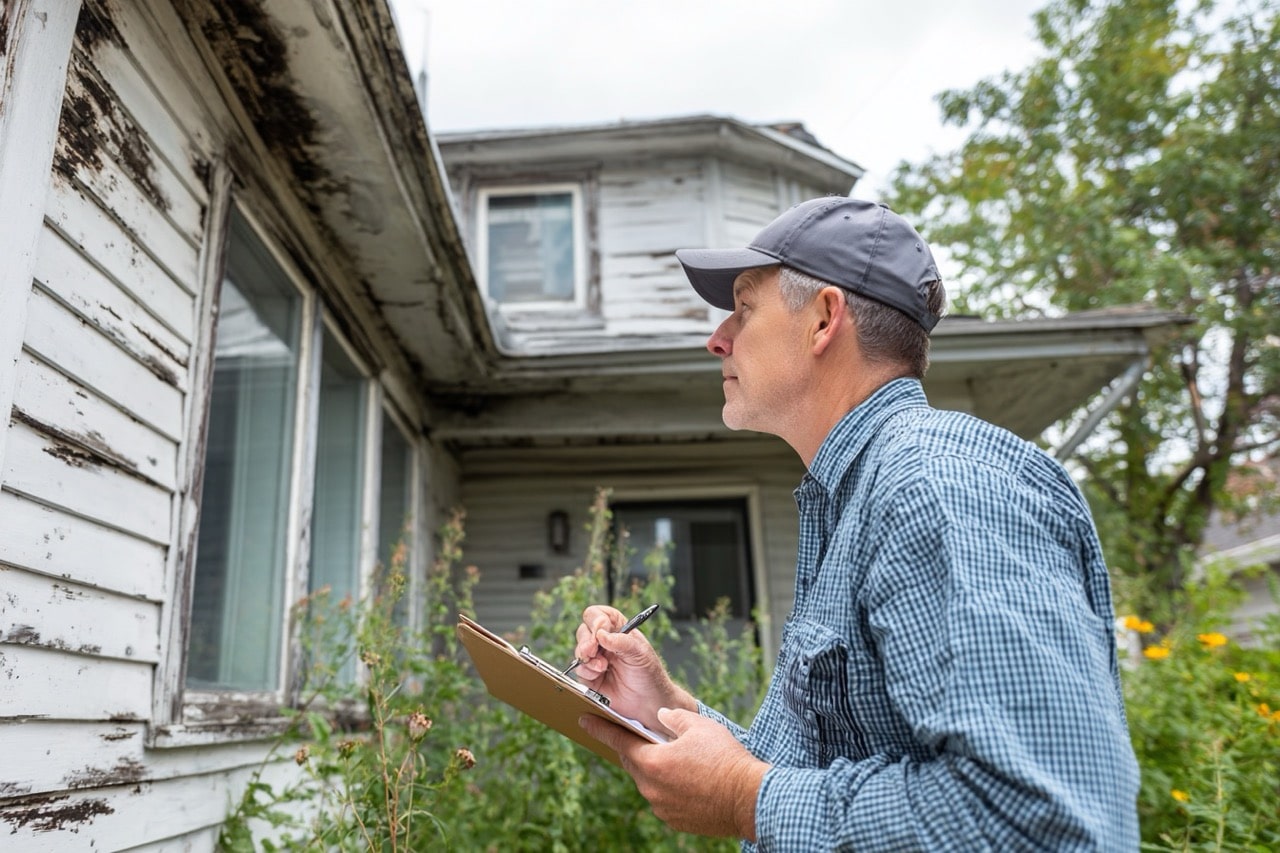
Understanding your legal obligations regarding disclosure and documentation is vital when selling a storm-damaged house in Denver. Homeowners must disclose all flooding or water emergencies that occurred during their ownership of the property. Clear and truthful disclosures about the property’s condition, including past water damage, are mandatory under Colorado law.
Failure to disclose storm-related damage can lead to legal repercussions if buyers discover undisclosed issues after the sale. In Colorado, sellers must fill out specific disclosure forms detailing the history of storm damage to ensure buyer awareness. Proper documentation helps save time and maintain the home’s value.
Maintaining records of all expenses related to temporary repairs is also essential for insurance claims. Gathering substantial evidence, such as photos and detailed descriptions of any damage, can strengthen your negotiation position. By being transparent and well-documented, you can facilitate a smoother sale process and build trust with potential buyers. If you’re also dealing with other property complications, consider reading about selling a house with a lien in Denver for additional disclosure requirements.
Partnering with a Real Estate Agent
A real estate agent specializing in as-is sales can be invaluable when selling a storm-damaged house. These real estate agents can help position the property attractively to potential buyers and set a competitive price based on local Denver market conditions and the home’s state. Working with an experienced agent can help mitigate potential issues related to disclosures and legalities.
A skilled agent provides insights into local market conditions, aiding in setting a realistic price for your storm-damaged home in Denver, Colorado. Additionally, they can help you avoid predatory investors who may take advantage of your vulnerable situation. By leveraging their expertise, you can navigate the complexities of selling a storm-damaged property more effectively.
Given Denver’s competitive real estate market and diverse neighborhoods ranging from historic Five Points to modern developments, having an agent familiar with local conditions is particularly valuable.
Getting a Fair Offer for Your Storm-Damaged House
Getting a fair offer for your storm-damaged house may seem challenging, but it’s possible with the right approach. Homeowners can expect a no-obligation offer when selling directly, ensuring they are not pressured into a decision. Selling to companies like House Buyers of America incurs no fees or commissions, making the process a hassle free sale.
Knowing the insurance claims process and potential costs can aid homeowners in negotiating better offers. Experienced project managers can assist homeowners during the insurance claims process, providing help with insurance claims and property damage issues at no upfront cost, working alongside the insurance company.
By being well-informed and prepared, most homeowners can secure a fair offer for their storm-damaged properties in Denver.
The Role of Flood Insurance and Claims
Flood insurance is crucial for safeguarding financial assets against flood-related damage, as standard homeowners policies typically do not cover such incidents. The National Flood Insurance Program (NFIP) offers insurance to property owners, renters, and businesses, facilitating quicker recovery after flooding. The NFIP also collaborates with communities to enforce floodplain management regulations, aiming to mitigate the impacts of flooding.
Homeowners should file an insurance claim promptly after a storm to expedite the recovery process. Purchasing flood insurance usually involves a 30-day waiting period before coverage becomes effective, unless it’s required by a government-backed lender. In high-risk flood zones near the South Platte River or Cherry Creek, properties with government-backed mortgages are mandated to have flood insurance.
Knowing the role of flood insurance aids in navigating the claims process and securing funds for repairs and recovery. Colorado homeowners should also be aware of additional coverage options for hail damage, which is particularly common in the Denver metro area.
Health Hazards: Mold Growth and Structural Issues
Mold growth is a common issue in storm-damaged properties, often fueled by moisture, organic material like drywall or flooring, and time. Effective mold removal starts with finding the source of moisture or water. Cleaning up water damage is crucial to prevent mold problems from developing.
Mold remediation can be costly but is necessary for health and safety. Hidden moisture in walls after water damage can lead to permanent structural damage. Homeowners can seek specialized help for handling flood or mold damage to ensure proper restoration.
Promptly addressing these health hazards protects both your property and its future occupants. This is especially important in Denver’s climate, where rapid temperature changes can exacerbate moisture issues. Similar concerns apply when selling a condemned house in Denver, where structural and safety issues must be addressed.
Immediate Steps to Minimize Further Damage
In the aftermath of a storm, taking immediate steps to minimize further damage is crucial. Homeowners should avoid driving through flooded areas to prevent accidents or additional property damage. Generators must only be operated outside to prevent the risk of carbon monoxide poisoning.
Acting quickly after water damage can prevent minor issues from becoming extensive. Actions such as boarding up windows and using tarps on roofs can help protect the property and mitigate damage.
For significant damage, seeking professional help is recommended to ensure thorough and effective repairs. In Denver, where sudden weather changes are common, having an emergency preparedness plan is essential for homeowners.
Preparing Your Home for Sale
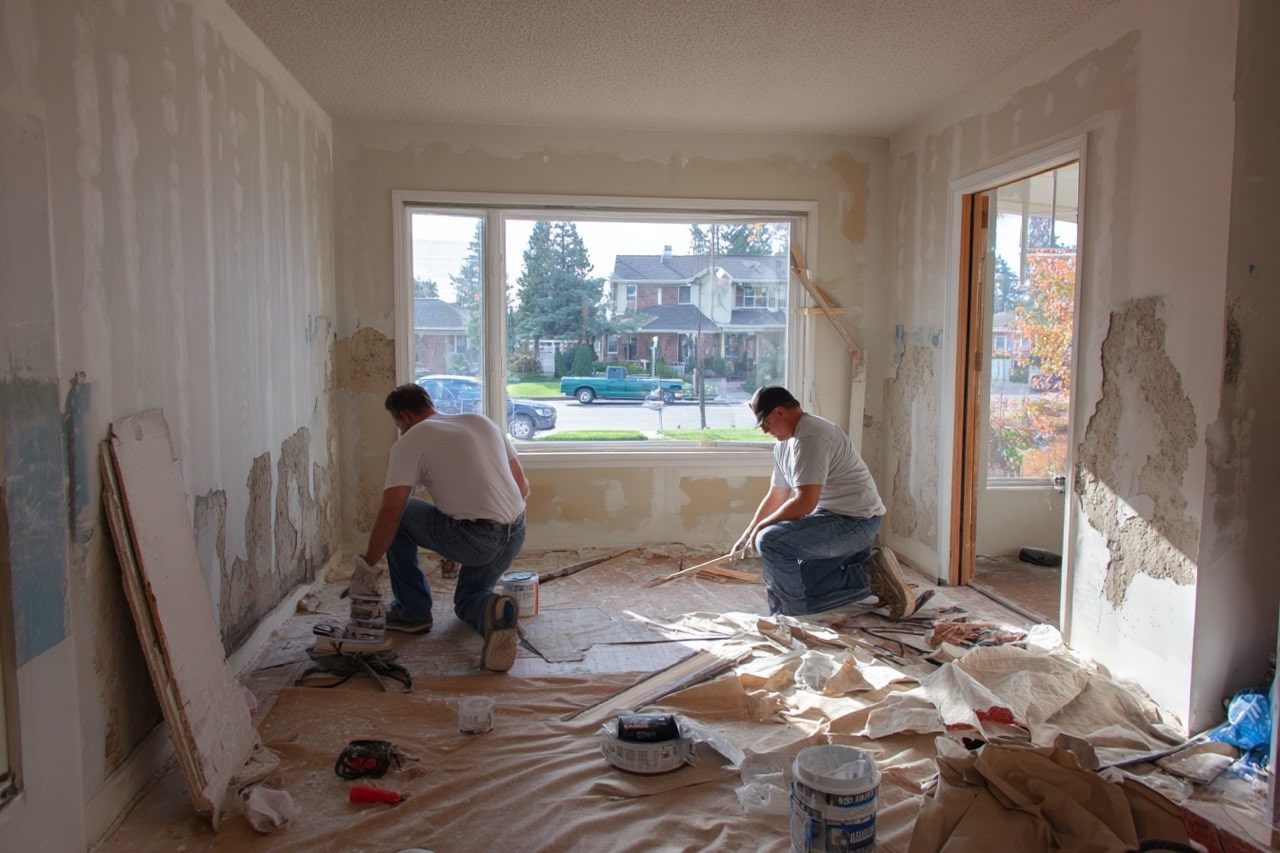
Preparing your home for sale in Denver involves several key steps. Understanding the full extent of damage through a professional inspection is crucial before listing the property. Minor repairs, such as fixing drywall issues or addressing curb appeal, can enhance the home’s attractiveness and potentially increase the sale price without significant investment.
Decluttering and cleaning your home are also essential steps. A decluttered home significantly enhances its attractiveness, helping buyers visualize themselves living there. Utilizing temporary storage can help create a more inviting space for potential buyers by removing clutter.
Documenting repairs and inspections enhances a seller’s credibility and can increase property value. Whether you’re in Washington Park or Highlands Ranch, proper preparation makes a significant difference in attracting buyers.
Selling to Investors vs. Traditional Buyers
When considering selling a storm-damaged home in Denver, Colorado, homeowners can choose between selling to real estate investors or traditional buyers. Selling to investors allows for a significantly faster transaction compared to traditional buyers, who often require mortgage approvals and appraisals that can delay the process.
Investors offer flexible sale terms, accommodating unique seller needs such as quick closings or the ability to remain in the home for a brief period post-sale. Working with a reputable local cash buyer can ensure a fair cash offer and a transparent selling process tailored to the seller’s community.
Understanding the pros and cons of each option helps you make an informed decision. This consideration is similar to evaluating your options when selling a house with tenants in Denver, where flexibility and speed may be priorities.
Navigating Code Violations and Permits
Handling code violations and permits is essential for a smooth transaction when selling a storm-damaged home. Homeowners must understand local zoning laws that dictate property use, as violations can result in fines and influence property value in Denver, Colorado. Compliance with local zoning laws ensures a smooth transaction when selling a storm-damaged home.
Homeowners should consider seeking legal counsel or a real estate professional to navigate Denver’s zoning regulations effectively. Colorado building codes have specific requirements for storm damage repairs, particularly regarding roofing standards and water damage restoration.
By addressing these issues upfront, you can avoid potential pitfalls and ensure a smoother sale process. This is particularly important in Denver, where city inspections may be more thorough in certain historic districts.
Using Storage Units for Personal Belongings
Using storage units can be a practical solution during the sale process of a storm-damaged home in Denver, Colorado. Temporary storage can ease the transition between selling a home and moving into a new one by providing flexibility. Properly preparing items for storage, such as cleaning and labeling, can facilitate a smoother move and retrieval process.
Storage units offer a convenient solution for protecting personal belongings during the sale process and ongoing repairs. By ensuring that your personal items are secure and accessible, you can maintain a well-organized and presentable home for potential buyers.
Denver has numerous storage facilities throughout the metro area, making it easy to find a convenient location near neighborhoods like Englewood, Arvada, or Westminster.

Frequently Asked Questions
What are the legal obligations when selling a storm-damaged house in Denver?
When selling a storm-damaged house in Denver, it is essential to disclose all flooding or water emergencies that occurred during your ownership and provide accurate information about the property’s condition. Failure to do so may lead to legal repercussions under Colorado disclosure laws.
Should I repair my storm-damaged house before selling it?
Repairing your storm-damaged house before selling can lead to higher offers and attract more buyers, making it a worthwhile investment. However, if you’re short on time or funds, selling as-is might still be an option, although it could decrease your sale price.
How can I sell my storm-damaged house quickly?
Selling your storm-damaged house quickly can be achieved by opting for a cash sale, which offers a straightforward and efficient process. This method often allows you to receive an offer rapidly and close the sale within a week in Denver, Colorado.
What are the benefits of partnering with a real estate agent for selling a storm-damaged house?
Partnering with a real estate agent for selling a storm-damaged house ensures effective positioning, competitive pricing, and expert navigation of legal complexities. Their local Denver market insights can significantly enhance the selling process.
How does flood insurance impact the sale of a storm-damaged house?
Flood insurance significantly impacts the sale of a storm-damaged house by providing essential financial protection, making the property more attractive to potential buyers. Ensuring that insurance claims are filed promptly can help in obtaining the necessary funds for repairs, enhancing the home’s marketability in Denver, Colorado.
Final Words
In summary, selling a storm-damaged house in Denver involves understanding the impact on property value, deciding whether to repair or sell as-is, and navigating legal obligations. Partnering with a real estate agent, getting a fair offer, and understanding the role of flood insurance are crucial steps in the process.
Selling a house with storm damage in Denver, Colorado, can feel like a daunting task, but it doesn’t have to be. If you’re unsure where to start, consider reaching out to a trusted service like Sell My House Fast Denver. They specialize in buying houses for cash, no matter the condition, and can help you navigate the challenges of selling a storm-damaged property.
From handling repairs to closing the deal, they’ll walk you through every step, making the process straightforward and hassle-free. Whether you’re dealing with hail damage, water intrusion, or structural concerns, or even facing other challenges like selling a house during divorce in Denver or trying to stop foreclosure in Denver, professional assistance can make all the difference in achieving a successful sale.
Denver Home Seller Resources